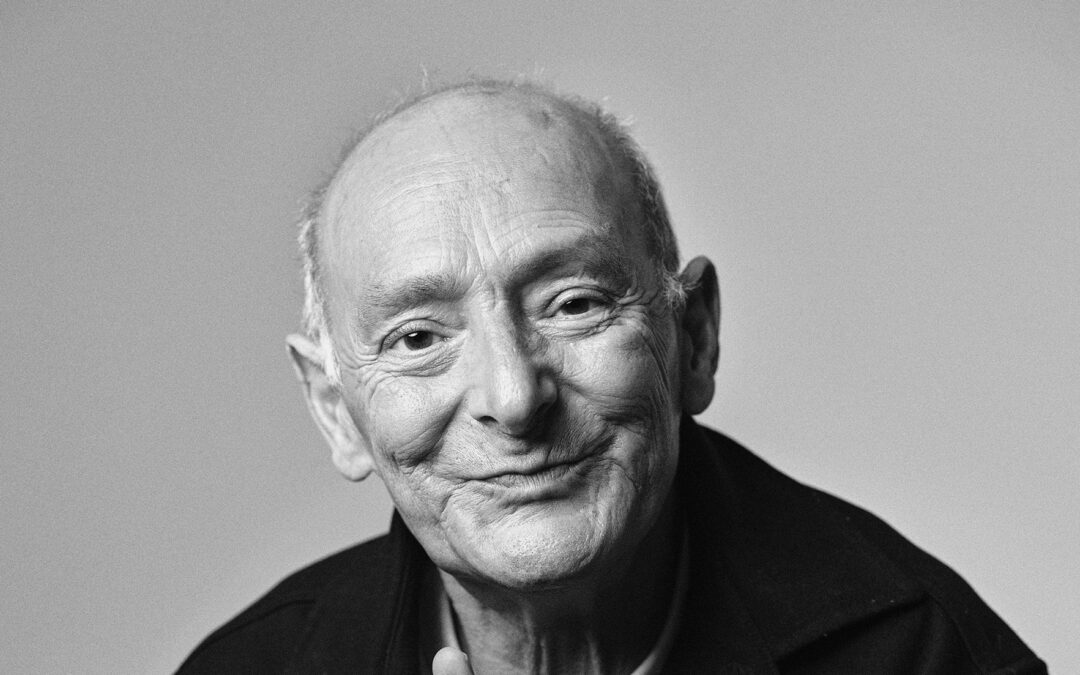
Rafael Viola is a survivor of institutional abuse, a dedicated whistleblower, and a published author whose life story stands as a testament to resilience in the face of systemic neglect, violence, and cover-ups. He has courageously transformed his lived trauma into powerful advocacy work, championing truth, accountability, and justice for survivors of child abuse within powerful institutions. 
Born in Glasgow, Scotland, Rafael’s early years were marked by hardship, stigma, and profound injustice. As a child he was placed into multiple Catholic institutions — including Croome Court and other notorious homes — where he endured repeated terror, physical cruelty, psychological abuse and, in some instances, sexual violence at the hands of those who were supposed to protect him and other vulnerable children. These experiences left deep emotional and physical scars and set the course for a lifetime battling not only trauma but institutional denial and silence. 
For decades his suffering remained buried, a private struggle many survivors know too well. It was only later in life that Rafael confronted the suppressed pain and began the painful but necessary journey of healing, self-acceptance, and disclosure. Writing became a powerful outlet for him — not for sympathy, but for justice, recognition, and systemic reform.
Rafael is best known as the co-author, with Countess Sigrid von Galen, of the book Stealing Lives: Systemic Child Abuse and the Smokescreens of Organised Vatican Criminality. In this groundbreaking work he shares the harrowing details of his experiences within five Catholic institutions, documenting the patterns of abuse, orchestrated cover-ups, and the pervasive culture of silence that allowed harm to continue unchecked. The book goes beyond personal memoir, connecting historical and interdisciplinary evidence to expose networks of institutional complicity and challenge the structures that have protected perpetrators while marginalising survivors. 
Stealing Lives is both a testimony and a call to action. Through it, Rafael amplifies the voices of countless other survivors who have been ignored or disbelieved. The book critically examines how abuse was not only perpetrated, but also obfuscated — and how institutions, even when forced to apologise, frequently fail to deliver meaningful justice or change.
Beyond his writing, Rafael has been active in public speaking and advocacy. He has used platforms such as rallies and events to demand accountability from powerful institutions, to push for systemic reform, and to ensure that the realities of abuse are acknowledged in public, political, and legal arenas. His speeches call for stronger representation of survivors on inquiry boards, the repeal of legal mechanisms that silence victims, and meaningful transparency and safeguards to protect children and vulnerable adults in the future. 
Rafael’s engagement with the Independent Inquiry into Child Sexual Abuse (IICSA) marked a pivotal chapter in his battle for recognition and justice. Appointed as a survivor ambassador, he fought to bring survivor testimony into public hearing. Though he faced re-traumatisation and frustration with how the process was managed — experiences that highlighted the shortcomings of institutional inquiries — he remained outspoken about the need for truthful accountability and structural reform. 
Today, Rafael continues to live with the long-term impacts of abuse, including dealing with physical disability and ongoing trauma. Yet he stands firm in his purpose: to ensure that the stolen lives of survivors are recognised, that their stories are heard, and that future generations are protected from similar harm. His life’s work reflects not just survival, but transformation — turning personal suffering into a force for communal awareness, legal reform, and societal change.
The abuse he experienced in childhood did not stay in the past. It has shaped his entire life and continues to affect him every single day.
The ongoing effects of that abuse on his life include:
- Living in a constant state of hypervigilance, always alert, stressed, and waiting to be attacked
- Feeling that any person can be a threat, even in ordinary, everyday situations
- Being unable to trust anyone fully, especially those in authority or positions of power
- An inability to ask for help, feeling I must manage everything alone to survive
- A deep fear of physical and emotional closeness, which has caused pain and strain within my relationships
- Constant anxiety and tension that never switches off
- Repeatedly reliving events from my childhood, questioning what I could have done differently despite knowing I was a child
- Carrying shame, guilt, and self-blame that was never mine to bear
- Living much of my life feeling “on the run,” unable to settle in one place or feel secure
- Difficulty sustaining work and stability, knowing I have never been able to reach my full potential because of what was done to me
- Long periods of depression, some of which are recorded in my medical history
- Emotional suppression and numbness as a survival mechanism, leaving me disconnected even from those I love
- Ongoing sleep problems that further erode my health and resilience
- Almost no self-esteem and very low self-confidence
- Constant self-doubt and a persistent belief that I am not enough
- A desperate need to be liked, wanted, and included, while simultaneously being too afraid to let people close
- Turning at times to alcohol and substances to cope with the pain, and knowing how easily that could have destroyed my life
- The impact of my abuse spilling into the lives of my family, harming innocent people who did nothing except love me
A relationship with care systems, authority, and the state that was effectively destroyed in childhood and has never been repaired
This is the reality of surviving childhood abuse. It is lifelong. It is exhausting. And it is made worse every time promised action is delayed.
IICSA heard this reality. Survivors gave evidence at great personal cost. The Inquiry made clear recommendations to reduce harm, improve safeguarding, and prevent future abuse. Yet years later, survivors are still waiting.
I am pleading with you to understand the human cost of this delay. Survivors are ageing. Many are worn down. Some are losing hope. Continued inaction tells us that our lives are still not worth urgent protection.
Please do not let this be another moment where survivors speak and institutions move on.
I ask you, urgently and sincerely, to support the full and immediate implementation of every IICSA recommendation.
This must happen. We cannot wait any longer.
Yours sincerely,
Rafael Viola